

My passion for civil and human rights has always been there since childhood.
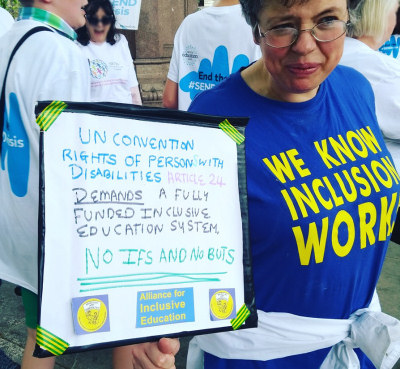
The injustices I experienced of being denied the same opportunities that my non-disabled peers enjoyed whilst growing up, spurred me on to my life's work, to achieve the conditions that would promote disabled people's equality and inclusion.
It was whilst working with People First (Self-Advocacy) that I began to get involved in disability rights work, beginning with the big campaign to secure anti-discrimination legislation and easy to read information for disabled people.
Recognising that civil rights legislation was not enough, I became involved in campaigning for the incorporation of the European Convention of Human Rights and now the UN Convention Rights of Persons with Disabilities, into UK law.
Philosophy
People with impairments are disabled by the barriers created by culture and society.
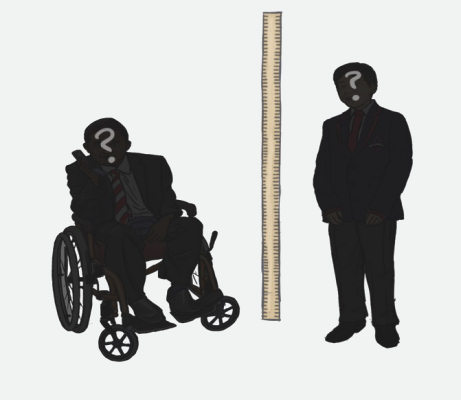
I believe that peoples physical, learning and social impairments described under specific conditions such as dyslexia, autism, severe learning difficulties, are physical, learning and social differences which are part of human kind.
As a society we can choose to view individuals' impairments as positive or negative attributes of humankind. I therefore take the view that disabled peoples' impairments can be viewed as positive characteristics of their being human and that they need to be accommodated for by society at large.
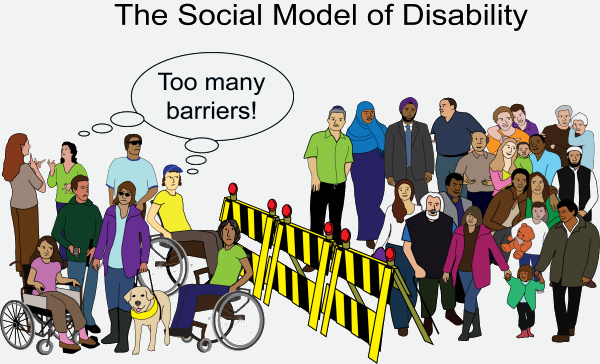
I use the social model of disability to enable clients to think about the changes needed to make their organisation, service or their communities inclusive of disabled people across mainstream provision, including education.
The perspective of the social model invites us to consider the organisational, environmental and attitudinal barriers and solutions that promote the inclusion of disabled peoples in society.

I use civil and human rights principles such as ones in the Equality and Human Rights laws which requires other people to make changes, so that disabled peoples' rights are upheld in our work.
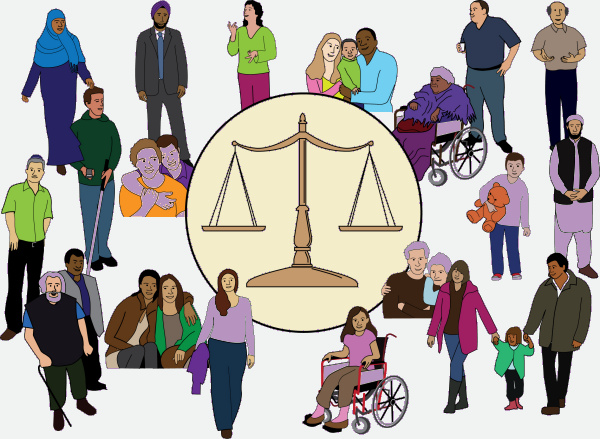
Disabled people experience injustice not only because they are disabled. Disabled people face injustices because of other status such as gender, sexual orientation, race or religious practice and belief. For example black disabled people experience double discrimination for being black and disabled.
I use an intersectional approach to working with disabled people when using the social model of disability.
We will continue to work with Disabled and Deaf Peoples Organisations forum and other disabled peoples led campaigns to keep the pressure on our Government to bring in UK equality laws that comply with human rights standards as set out in the UN Convention Rights of Persons with Disabilities.
Some of my Key Achievements
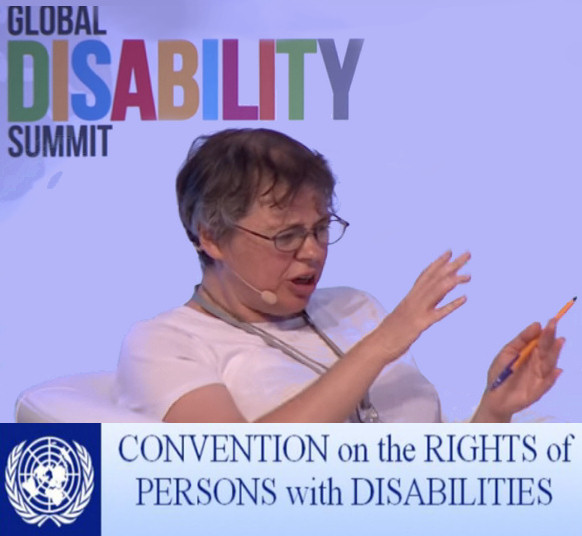
A sample of my achievements whilst working with Inclusion London, UK Disabled Peoples Council, People First, Alliance for Inclusive Education and our allies:

- Conservative and Labour Governments planned to change the Mental Health Act so that People with learning disabilities and Autistic People should not be locked up in psychiatric hospital on the grounds of disability.
- UK Government signing and ratification of the UN Convention Rights on Persons with Disabilities
- Changing the Presumption of Incapacity to Capacity to make decisions in the Mental Capacity Act 2005
- Presumption of mainstream education for disabled children and young people in the Education Act 1996 and the Children and Families Act 2014.
- Equality and Disability Discrimination Acts that included Disabled people with learning difficulties and increased protection against unfair treatment in various areas of life.
- The rights of Disabled People with learning difficulties to direct payments for community care, with the aim of creating more choice and control over their support arrangements.
- Supported Mainstream school placements for disabled children and families as an Independent Provider of Special Education Advice (IPSEA's) Tribunal Advocate
- Acting as an independent advocate for disabled people with learning difficulties and autism wanting to be discharged from psychiatric hospital.
- Chartered Institute of Management and Leadership Level 5 certificate
- Our portfolios have been selected and displayed at the "Nothing about us without us" exhibition Nothing About Us Without Us exhibition at People's History Museum
A sample of published work:
- Why are disabled people with learning difficulties being prevented from leading campaigns, projects and initiatives?
- Easy Read summary – Disabled People’s Leadership (by Simone Aspis) – Dr Rebecca Fish
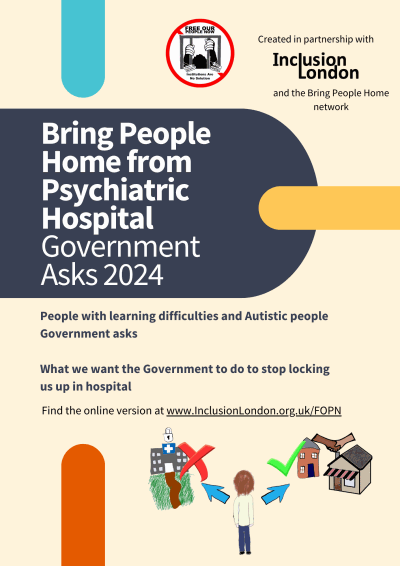
- Bring People Home from Hospital Manifesto
- Alliance for Inclusive Education’s submission to Right support, right place, right time Government Green Paper
- Changing Perspectives and Free Our People Now evidence to the United Nations Convention On The Rights of Disabled People - England Civil Society Shadow report 2022
- The Case for Inclusive Education
- Inclusion Standards Guide
- Campaigns In Action Disabled Peoples Struggle for Equality
- The Medical and Social Model of Disability for people with learning difficulties - People First
Please select area of work that you want more information about.